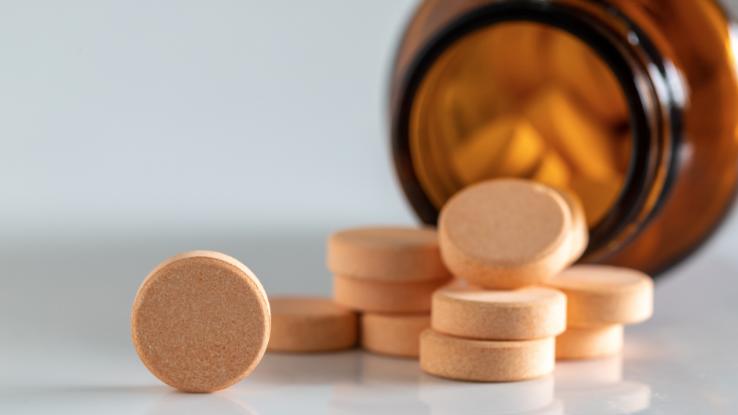
Desert Harvest Vitamin C

Desert Harvest Vitamin C

Desert Harvest Buffered Vitamin C (90 Capsules)

Desert Harvest Buffered Vitamin C (90 Capsules)

Vitamin C is a powerful antioxidant.  It supports immune function, collagen production, blood vessel integrity and free radical neutralisation, meaning it may help to delay the effects of aging and protect against certain cancers, heart disease and strokes.  Research indicates that people with low levels of vitamin C may run a higher risk of developing Type II diabetes, rheumatoid arthritis, or multiple sclerosis, while even short-term deficiency may adversely impact eye health, paving the way for cataracts or macular degeneration.  New research also suggests that vitamin C might work to reduce the production of inflammatory compounds in the gut, meaning it may help reduce the levels of inflammation in various forms of colitis.  Additionally, vitamin C facilitates the body's ability to absorb iron from foods and food supplements – iron is of course a vital component of haemoglobin, which enables oxygen to be transported around the body.

Regarding vitamin C's effect on the common cold, studies have resulted in mixed recommendations. A randomized, controlled, five-year clinical trial suggested that vitamin C supplementation significantly reduces the frequency of colds, but has no apparent effect on the duration or severity.  However, a 2002 study involving 180 British subjects found that vitamin C could prevent the common cold, limit severe symptoms, and shorten its duration.  You will have to decide for yourself if it works for you!

Many people are unable to tolerate ordinary vitamin C supplements, as they find them irritating to the stomach or the urinary tract.  In particular, cystitis sufferers often find their symptoms worsen if they take any supplements containing ascorbic acid.  Desert Harvest's Buffered Vitamin C contains calcium ascorbate – a gentle, non-acidic form of vitamin C – meaning it is safe for cystitis sufferers and sensitive individuals.  It also contains organic, super-concentrated aloe vera, which may help the body to absorb more of the nutrient.

Free from gluten, starch, preservatives and GMO ingredients.  Kosher certified; suitable for vegetarians and vegans.  ISO 9000 compliant.  Suitable for interstitial cystitis patients.

Directions:

As a dietary supplement, take one capsule twice a day or as directed by a qualified healthcare provider.

Ingredients:

Each serving (1 capsule) contains 400mg of Vitamin C buffered with 40mg of calcium ascorbate; 75mg of organic aloe vera powder; 3mg of silicon dioxide (a naturally occurring earth mineral); and 3mg vegetable oil.

Tiny says: I don't use these as my every day vitamin C, as I was settled on another type long before I ever discovered Desert Harvest.  Like this product, the one I use daily contains vitamin C in a non-acidic form.  I didn't actually know when I made the move to ascorbates that other people had problems with ascorbic acid – I just noticed that I felt more 'cystitis-y' whenever I took normal vitamin C or multivitamins high in C.  I was fascinated years later to learn that lots of people find vitamin C irritating to the bladder!  I do use Desert Harvest Buffered Vitamin C to top up my every day brand if I feel like I'm getting a cold and want to mega-dose.  I have no problems with it whatsoever, even in very high doses, and I'd never be without a pot on standby!

Product tabs

    Desert Harvest Vitamin C

    Source: https://www.tinypioneer.co.uk/desert-harvest-buffered-vitamin-c

    Share:

    Buffered Vitamin C Vs Sodium Ascorbate

    Buffered Vitamin C Vs Sodium Ascorbate

    Vitamin C: Is It All the Same?

    Vitamin C is an essential nutrient that is produced by all plants and most animals. Humans are an exception. While we need substantial amounts of vitamin C, we cannot produce this essential nutrient. "Vitamin C" is the term used commonly when discussing the many forms of this important nutrient.

    Here at Alkaline for Life ®  we use and teach about the L-ascorbate form of vitamin C. This is the form of vitamin C that our body uses. Within the human body, 99% of the vitamin C under physiological conditions is in the form of L-ascorbate .

    Another term that is often used for vitamin C is "ascorbic acid." While "ascorbic acid" and "ascorbate" are often used without distinguishing one from the other, there are important differences between these two chemical compounds. Here are a few differences between common vitamin C which is ascorbic acid, and a fully buffered, fully reduced L-ascorbate.

    Common Vitamin C versus "L-ascorbate"

    Today in the US, most people supplementing with vitamin C use the "ascorbic acid" form, not the "ascorbate" form.  Ascorbic acid is inexpensive and readily available; however, "ascorbic acid" is a distinct molecule from "ascorbate" as illustrated below .

                                      Ascorbic Acid                          Ascorbate

    Ascorbate is the metabolite of vitamin C actually used within the body and thus the preferable form of vitamin C. Ascorbate is the superior form of vitamin C for several reasons:

    1. Ascorbate is the physiological form of vitamin C used by the body.
    2. Ascorbate is the form of vitamin C that serves as the most powerful water-soluble antioxidant.

    Ascorbate can have different qualities. First, it can be "fully reduced," which means its electrons are all in place and ready to be donated for full antioxidant activity.  "Fully reduced" means that it is not already oxidized, even partially. To be "fully reduced" the ascorbate must be processed without exposure to oxygen, light or excess heat.

    Second, ascorbate can also be "fully buffered." A "fully buffered" ascorbate is one that has been combined with small amounts of selected minerals (for example, calcium, magnesium, zinc, potassium).  "Fully buffered" ascorbate reduces metabolic acidity and contributes to a life-supporting, slightly alkaline tissue pH.

    Over decades of clinical practice, I have found that a pure and properly processed, fully buffered and fully reduced ascorbate is a potent antioxidant and the best natural antiviral and repair agent available.

    Comparison of Common Ascorbic Acid with a Fully Buffered, Fully Reduced Ascorbate

    Common Vitamin C ( aka Ascorbic Acid ):

    • Vitamin C is produced by plants and most animals (humans being one of the exceptions).
    • Vitamin C/ascorbic acid is acidic.
    • The vast majority of the vitamin C found on store shelves today is corn-based and contains corn antigens.
    • The vast majority of the vitamin C found on store shelves today is at least one-half synthetic, in the D form, not the natural L form. This synthetic D form of vitamin C is not useful in the body.
    • The vast majority of the vitamin C found on store shelves today has a reduced antioxidant potential due to processing. Vitamin C becomes oxidized upon exposure to oxygen, moisture, light, and high temperatures.
    • The vast majority of the vitamin C found on store shelves today contains unwanted additives including colorings, flow agents, binders, stabilizers, and the like.
    • The vast majority of the vitamin C found on store shelves has an unpleasant acidic taste, which limits higher dose usage.

    A Fully Buffered, Fully Reduced Ascorbate ( Alkalini-C ):

    • Ascorbate is a form of vitamin C that is actually used within the body.
    • Ascorbate is the biologically active form of vitamin C, which serves as the most abundant and important water-phase antioxidant and a substrate for numerous enzyme reactions.
    • Ascorbate is an alkalizing agent capable of donating electrons to energize our cells.
    • Ascorbate can be completely buffered with alkalizing minerals to enhance absorption and tissue action.
    • Alkalini-C ascorbate  is fully reduced and protected from oxidation during manufacture and storage resulting in an extraordinarily high antioxidant capacity.
    • Alkalini-C ascorbate  is free of stabilizers, flow agents, or other additives.
    • Alkalini-C ascorbate  has a pleasant taste and is easy on the stomach, making it suitable for high-dose usage.

    Ascorbic Acid (Common Vitamin C)
    vs.
    A Fully Buffered, Fully Reduced L-Ascorbate (Alkalini-C)

    Ascorbic Acid/Common Vitamin C

    L-Ascorbate

    Produced in plants

    Physiologic form of vitamin C used in the human body

    Acidic

    Alkalizing

    Product is often oxidized with lowered antioxidant potential

    Fully reduced and protected from oxidation

    Made up of generally one-half of the synthetic D form that is not useful to body

    Natural L form that is useful to body

    Contains additives such as colorings, flow agents, binders, stabilizers, etc.

    Free of stabilizers, flow agents, or other additives

    Unpleasant taste limits high-dose use

    Pleasant taste suitable for high-dose use


    Alkaline for Life® Blog


    Buffered Vitamin C Vs Sodium Ascorbate

    Source: https://alkalineforlife.com/blogs/news/ascorbate-vs-ascorbic-acid

    Share:

    Berocca Vitamin C Price Malaysia

    Berocca Vitamin C Price Malaysia

    Researchers in the United Kingdom say a study on eyesight shows diet and environmental factors are more important than genetics in lowering risk of cataracts.

    Eating an apple a day may keep the doctor away, but eating oranges might do the same for cataracts.

    In a study published today in the journal Ophthalmology, researchers in the United Kingdom said a higher dietary intake of vitamin C might significantly reduce the risk of developing cataracts.

    The study, led by scientists at King's College London, is the first to conclude that dietary and environmental factors play a larger role than genetics in the development of cataracts.

    "The findings of this study could have significant impact, particularly for the aging population globally by suggesting that simple dietary changes such as increased intake of fruits and vegetables as part of a healthier diet could help protect them from cataracts," Dr. Chris Hammond, professor of ophthalmology at King's College, consultant eye surgeon and lead author of the study, said in a statement.

    Read More: What Is a Cataract? »

    The researchers estimated genetic factors account for 35 percent of the difference in cataract progression. Environment and lifestyle account for 65 percent.

    To study the impact diet has on cataracts, the researchers tracked the progression of the eye condition in 324 pairs of female twins from the United Kingdom.

    The scientists examined digital images of the women's eye lenses when they were about 60 years old. They then studied the same type of images 10 years later.

    They kept track of the women's intake of vitamins A, B, C, D, and E. They also tracked their intake of copper, manganese, and zinc using a food questionnaire.

    The researchers said the women who ingested more vitamin C initially had a 20 percent reduced risk of developing cataracts. After 10 years, that risk had decreased by 33 percent.

    The researchers noted that there was little risk reduction in the women who took vitamin supplements. Instead the preventative effects appeared to be obtained only by eating foods rich in vitamin C.

    Dr. Ravi D. Goel, an ophthalmologist from New Jersey who is also a clinical instructor at Wills Eye Hospital in Pennsylvania, said the study provides helpful information for patients and doctors.

    "These are novel findings for patients going forward," Goel, a spokesperson for the American Academy of Ophthalmology, told Healthline. "This is a helpful tool for patient education."

    Read More: Americans Spend Billions on Vitamins and Supplements That Don't Work »

    Cataracts occur when the lens of the eye becomes cloudy due to oxidation over a long period of time.

    The researchers said the fluids that bathe the eye are rich in vitamin C, which helps stop the lens from oxidizing.

    The dietary intake of vitamin C helps prevent cataracts by increasing the amount of this vitamin in the eye fluid.

    The researchers added that smoking and diabetes also are risk factors for certain kinds of cataracts, so a balanced diet and healthy lifestyle are important.

    "Healthy diets are always an advantage for patients," added Goel.

    Goel also said vitamin C has already been shown to help slow the progression of age-related macular degeneration.

    This latest information on cataracts adds to vitamin C's attributes. "It helps overall eye health," he said.

    The researchers did note that their observational study has its limitations as it only involved women who were aged 60 years and older.

    However, the researchers believe the information could also be relevant for male patients.

    Cataracts are the leading cause of blindness in the world, affecting about 20 million people, according to statistics from the World Health Organization (WHO). Cataracts also affect 24 million Americans over the age of 40.

    The condition can cause blurry vision, glare, poor night vision, and sensitivity to light.

    Initially, better lighting and glasses may help ease some of the symptoms, but as cataracts progress surgery is sometimes needed.

    Read More: Diabetes and Blurry Vision: What You Need to Know »

    Berocca Vitamin C Price Malaysia

    Source: https://www.healthline.com/health-news/vitamin-c-may-reduce-risk-of-cataracts

    Share:

    Amla Extract Vitamin C

    Amla Extract Vitamin C

    Photo Courtesy: Flashpop/DigitalVision//Getty Images

    Whether in the form of a fizzy drink or flavored lozenges, cold and flu preventative supplements almost always highlight vitamin C as one of their key ingredients. So, what's so magical about vitamin C? Also known as ascorbic acid, vitamin C is critical to living healthily. Since the human body cannot spontaneously generate this nutrient, vitamin C must instead be absorbed from outside sources, such as vitamin supplements or foods that are naturally rich in it.

    Commonly found in cold and flu preventative supplements, vitamin C strengthens and speeds up immune system functionality. Though research does not indicate that vitamin C intake alone can prevent the onset of cold or flu, adequate daily intake may shorten the duration of an infection or lessen the severity of symptoms.

    Photo Courtesy: Catherine Falls Commercial/Moment/Getty Images

    Vitamin C is crucial for the maintenance of well being. For example, it plays a role in wound healing and helps maintain many essential body tissues. It also acts as a potent antioxidant and can repair damage from free radicals, which are linked to aging effects, and disease vulnerability. Additionally, vitamin C can also prevent anemia, since it helps the body increase absorption of dietary iron, another vital mineral that the body cannot spontaneously create.

    Foods that contain high concentrations of vitamin C have been linked with a lower risk of cardiovascular disease, like heart attack and stroke. Vitamin C can also increase levels of nitric oxide, a compound that widens blood vessels and, in turn, lowers blood pressure. In addition, regular intake of vitamin C, along with other vitamins, has been linked to a decreased risk for developing age-related cataracts, a leading cause of visual impairment in the United States.

    Common Sources of Vitamin C

    Vitamin C can be easily obtained through the many different foods, including:

    Photo Courtesy: Akaradech Pramoonsin/Moment/Getty Images
    • Citrus fruits and juices (orange, grapefruit, lemon, lime and tangerine)
    • Berries
    • Melons
    • Mangoes
    • Kiwi
    • Tomato
    • Broccoli
    • Red peppers
    • Spinach
    • Squash
    • Potatoes

    Cooking these foods may result in the loss of some of the vitamin content, so it is ideal to ingest them raw, either whole or juiced. Nowadays, there are also numerous packaged food products, like cereals, that have been enriched and fortified with vitamin C, so that the nutrient can be easily obtained.

    Vitamin C may also be labeled as "L-ascorbic acid" in supplement form, and most over-the-counter multivitamins contain the recommended daily amount of the vitamin. While it is a good source when an individual is in need of a vitamin C boost, supplements are not meant to replace a diet rich in naturally derived vitamin C.

    What Happens When You Have Too Much — or Too Little — Vitamin C?

    Vitamin C is a water-soluble vitamin that can be easily flushed out of the body via urination when it is not needed. Therefore, if the main source of vitamin C is from naturally occurring foods, it is near-impossible for excess vitamin C to produce side effects. However, taking excessive concentrated vitamin C supplements may lead to diarrhea or stomach upset.

    Photo Courtesy: Violeta Stoimenova/E+/Getty Images

    Since vitamin C-rich foods are so readily available nowadays, symptoms of inadequate vitamin C intake are also rare in the United States. However, malnourished individuals can experience symptoms of vitamin C deficiency over time, including:

    • Weakness
    • Fatigue
    • Anemia
    • Easy bruising
    • Joint pain
    • Skin breakdown
    • Weakened tooth enamel
    • Gum inflammation

    Severe vitamin C deficiency is referred to as scurvy. Scurvy can be easily treated with increased dietary or supplemental vitamin C. Since vitamin C is crucial in the detoxification of the body, a lack of vitamin C can compromise the immune system and make an individual more susceptible to diseases and infections. Individuals with insufficient vitamin C may find that it takes longer than usual to recover from a cold or a physical wound.

    Daily Dosage Recommendations:

    The daily dosage recommendation for vitamin C is different for everyone, depending on factors such as gender, age, lifestyle and current health condition. The recommended daily dosage for vitamin C is at least 75 mg daily for women and 90 mg for men. Since people who are pregnant, breast feeding, smoking or using oral contraceptives have a lower blood level of vitamin C than others, larger doses of vitamin C may be needed to achieve optimal results in these individuals. Those who have prior or current medical conditions may also require bigger or smaller dosage levels, as recommended by their healthcare providers.

    Resource Links:

    • "Vitamin C" via MedlinePlus
    • "Vitamin C and Infections" via MDPI
    • "Extra Dose of Vitamin C Based on a Daily Supplementation Shortens the Common Cold: A Meta-Analysis of 9 Randomized Controlled Trials" via Hindawi, BioMed Research International
    • "Vitamin C" via National Institutes of Health
    • "Scurvy" via U.S. Department of Health & Human Services, National Institutes of Health
    • "Dietary intake and blood concentrations of antioxidants and the risk of cardiovascular disease, total cancer, and all-cause mortality: a systematic review and dose-response meta-analysis of prospective studies" via The American Journal of Clinical Nutrition
    • "Dietary vitamin and carotenoid intake and risk of age-related cataract" via The American Journal of Clinical Nutrition
    • "Cardiovascular System" via Department of Anatomy, Seoul National University College of Medicine (via Springer)

    MORE FROM SYMPTOMFIND.COM

    Amla Extract Vitamin C

    Source: https://www.symptomfind.com/health/vitamin-c-everything-you-need-to-know?utm_content=params%3Ao%3D740013%26ad%3DdirN%26qo%3DserpIndex

    Share:

    What Vitamin Is C

    What Vitamin Is C

    A Guide to Vitamin C Serums

    leonori/Shutterstock

    For 70 years Vitamin C has been one of the biggest weapons in the skin care industry. It's used to make cleansers, moisturizers, lotions, masks, and serums. So what is this powerful vitamin? How can it benefit you? Why should you use serums that contain Vitamin C? We're here to answer all of those burning questions in this complete guide and reveal the many benefits Vitamin C serums offer for your skin.

    What Are Vitamin C Serums?

    There are many variations of Vitamin C, but the most popular is ascorbic acid, a common ingredient in skincare products. However, all the variations of Vitamin C have anti-inflammatory benefits.

    Vitamin C Serums are products that contain a high level of Vitamin C. They're used to treat wrinkles, sagging skin, lighten dark or red spots, prevent breakouts and even your skin tone. Basically, they battle all of those annoying skin issues. There are loads of products out there that claim they'll save your skin, but some can cause damage. Vitamin C is one of the most revered ingredients and conclusive research has shown how effective it can be.

    How Are Vitamin C Serums Made?

    Well so far we've talked about how incredible Vitamin C is and it sounds like a dream come true doesn't it? It's not all good. In fact, the mighty vitamin is unstable when it's exposed to air and light. Other ingredients need to be used to stabilize it and allow it to deliver amazing results. The serums are combined with ferulic acid and Vitamin E. According to researchers the perfect mixture is 15% Vitamin C with 1% Vitamin E and 0.5% ferulic acid. This makes Vitamin C perform to the best of its abilities, without damaging your skin.

    What Does Vitamin C Serum Do for Your Face?

    Boosts Collagen Production: Collagen keeps your skin firm and prevents sagging. Environmental factors such as lifestyle choices and pollution can increase the elasticity of your skin, so it's important you try to increase your collagen production.

    Hydrates Your Skin: Dry skin is a common issue, but Vitamin C can help to give your skin that much-needed moisture boost. Remember, it doesn't work immediately so you need to keep applying the serum to see results.

    Brightens Your Complexion: Dark spots on your skin are caused by the overproduction of melanin. Vitamin C decreases the production and lightens the dark spots to even out your complexion.

    Reduces Redness and Inflammation: Conditions such as Rosacea leave many people searching for a magic cure. Vitamin C helps facial redness and inflammation by reducing the appearance of broken capillaries.

    Why Should You Be Using Vitamin C Serum?

    Don't think Vitamin C serums are just beneficial for your face. They can also shield you from sun damage and reduce stretch marks.

    Saves You From The Sun: Prolonged exposure to UV rays can cause long-term damage to your skin. Luckily, Vitamin C is a powerful antioxidant that reduces red sports and prevents sunburn from spreading.

    Fades Acne Scars: Acne plagues most of us at some point and we look forward to being free. Most of us get stuck with some scars but Vitamin C helps to fade scars and even out any discoloration.

    Reduces Stretch Marks: Yes, Vitamin C serum can even help prevent those unsightly stretch marks by tightening your skin.

    Are you ready to change your skin? Add a Vitamin C serum to your beauty regimen and enjoy a glowing complexion.

    What Vitamin Is C

    Source: https://www.bloglines.com/article/a-guide-to-vitamin-c-serums?utm_content=params%3Ao%3D740010%26ad%3DdirN%26qo%3DserpIndex

    Share:

    Vitamin C Mask For Acne

    Vitamin C Mask For Acne

    A Guide to Vitamin C Serums

    leonori/Shutterstock

    For 70 years Vitamin C has been one of the biggest weapons in the skin care industry. It's used to make cleansers, moisturizers, lotions, masks, and serums. So what is this powerful vitamin? How can it benefit you? Why should you use serums that contain Vitamin C? We're here to answer all of those burning questions in this complete guide and reveal the many benefits Vitamin C serums offer for your skin.

    What Are Vitamin C Serums?

    There are many variations of Vitamin C, but the most popular is ascorbic acid, a common ingredient in skincare products. However, all the variations of Vitamin C have anti-inflammatory benefits.

    Vitamin C Serums are products that contain a high level of Vitamin C. They're used to treat wrinkles, sagging skin, lighten dark or red spots, prevent breakouts and even your skin tone. Basically, they battle all of those annoying skin issues. There are loads of products out there that claim they'll save your skin, but some can cause damage. Vitamin C is one of the most revered ingredients and conclusive research has shown how effective it can be.

    How Are Vitamin C Serums Made?

    Well so far we've talked about how incredible Vitamin C is and it sounds like a dream come true doesn't it? It's not all good. In fact, the mighty vitamin is unstable when it's exposed to air and light. Other ingredients need to be used to stabilize it and allow it to deliver amazing results. The serums are combined with ferulic acid and Vitamin E. According to researchers the perfect mixture is 15% Vitamin C with 1% Vitamin E and 0.5% ferulic acid. This makes Vitamin C perform to the best of its abilities, without damaging your skin.

    What Does Vitamin C Serum Do for Your Face?

    Boosts Collagen Production: Collagen keeps your skin firm and prevents sagging. Environmental factors such as lifestyle choices and pollution can increase the elasticity of your skin, so it's important you try to increase your collagen production.

    Hydrates Your Skin: Dry skin is a common issue, but Vitamin C can help to give your skin that much-needed moisture boost. Remember, it doesn't work immediately so you need to keep applying the serum to see results.

    Brightens Your Complexion: Dark spots on your skin are caused by the overproduction of melanin. Vitamin C decreases the production and lightens the dark spots to even out your complexion.

    Reduces Redness and Inflammation: Conditions such as Rosacea leave many people searching for a magic cure. Vitamin C helps facial redness and inflammation by reducing the appearance of broken capillaries.

    Why Should You Be Using Vitamin C Serum?

    Don't think Vitamin C serums are just beneficial for your face. They can also shield you from sun damage and reduce stretch marks.

    Saves You From The Sun: Prolonged exposure to UV rays can cause long-term damage to your skin. Luckily, Vitamin C is a powerful antioxidant that reduces red sports and prevents sunburn from spreading.

    Fades Acne Scars: Acne plagues most of us at some point and we look forward to being free. Most of us get stuck with some scars but Vitamin C helps to fade scars and even out any discoloration.

    Reduces Stretch Marks: Yes, Vitamin C serum can even help prevent those unsightly stretch marks by tightening your skin.

    Are you ready to change your skin? Add a Vitamin C serum to your beauty regimen and enjoy a glowing complexion.

    Vitamin C Mask For Acne

    Source: https://www.bloglines.com/article/a-guide-to-vitamin-c-serums?utm_content=params%3Ao%3D740010%26ad%3DdirN%26qo%3DserpIndex

    Share:

    How Much Vitamin C To Dechlorinate A Gallon Of Water

    How Much Vitamin C To Dechlorinate A Gallon Of Water

    Dechlorination of water is important. I need to know how much vitamin C solution to use for the dechlorination of two liters of tap water in this experiment.

    There has never been a written or visual guide like this explaining how to dechlorinate the water at home with vitamin C before! It's time for people all over America (and soon the world) to have access to these resources right now so that they can be successful, too!

    This comprehensive guide provides step-by-step instructions, calculations, formulas, and more.

    Dechlorinating water is the process of removing chlorine from the water. One way to do that is by adding vitamin C or ascorbic acid.

    As a nutrient, vitamin C supports your nervous system and immune system. In addition to aiding wound healing, vitamin C can also help maintain healthy bones, teeth, and gums.

    Vitamin C intake is recommended for adults under 51 years of age or based on sex, weight, or health conditions.

    Dechlorinating your drinking water is the first step in ensuring that it is safe to use. There are many ways to dechlorinate water, and we'll cover the most popular ones.

    Naturally, it will take time for the chlorinated water to evaporate out of the water or settle at the bottom. As well as irritating sensitive people's respiratory systems, breathing harsh vapors may also cause fatigue.

    You should have a system in place to quickly remove harmful chlorine from municipal water. " Let's see how much Vitamin C you need to dechlorinate your water instantly... "

    What is Vitamin C?

    This water-soluble vitamin is needed in small amounts to prevent scurvy. It has been proven to help fight cancer, improve mood, prevent diabetes, and boost immunity.

    Also, it protects you from free radicals and environmental damage and can even help reverse aging.

    Why you Need to Decontaminate Your Drinking Water

    We live in a world where we are not able to drink the water from our taps. Some toxins and chemicals can harm us when we drink them.

    A water treatment plant uses chlorine to kill bacteria and other microorganisms. However, chlorine may not be as beneficial as it is purported to be, and there are many health risks associated with drinking chlorinated water. The main problem with chlorine is that it can form un-reacted compounds called trihalomethanes linked to liver problems, bladder cancer, and miscarriages.

    A popular decontamination method used by individuals is boiling their drinking water for at least 3 minutes or using a filter such as LifeStraw or Sawyer Mini filters, which remove 99.99% of contaminants, including bacteria, heavy metals, pesticides, herbicides, pharmaceuticals, and more.

    However, these methods require some degree of preparation before they can be implemented. For example, if you want to boil your water, you need to find somewhere to store hot water while waiting for it to cool down. You could also purchase bottled water, but that adds up fast!

    What is Chlorine?

    Chlorine is a greenish-yellow gas that is often used to treat water.

    Chlorine dioxide is the most commonly used form of chlorine to disinfect water. Chlorine dioxide is generated through electrolysis. Hypochlorous acid is formed from it, which reacts with water again to form chlorine dioxide. By adding chlorine after this process, chlorine's disinfectant properties are greatly enhanced.

    How Much Vitamin C to Dechlorinate Water?

    There is no life without vitamin C in the human body. It is a water-soluble vitamin, meaning that your body does not store it, and it needs to be replenished daily. Vitamin C also helps maintain healthy bones, maintains healthy skin, and aids in wound healing.

    Most people require about 60mg of Vitamin C per day. With a balanced diet of wild greens, this dosage can likely be provided without supplements. Some people may not consume enough vitamin C every day or when they have a cold or other illness that requires extra vitamin C. In these cases, a supplement may be necessary to meet the daily recommendation of 60mg per day.

    How does chlorine get in your drinking water?

    Chlorine is a chemical that has been used to disinfect drinking water for over 100 years. It is added to water using a chemical feeder.

    In your plumbing system and storage tanks, chlorine is used to disinfect the water before it's delivered to your home.

    It does not need to be present in the water you drink; it only needs to be present in the pipes and tanks leading up to your tap.

    How can Vitamin C be used to remove chlorine from drinking water?

    Chlorine is a chemical element that is toxic to humans. It can cause throat irritation, stomach pain, and other problems. Using vitamin C, chlorine molecules can be released from water, and chlorine can be removed.

    As a natural substance, vitamin C removes chlorine from drinking water. By binding with the chlorine molecule, this substance breaks it down.

    How To Test For Chlorine Levels?

    The chlorine test kit is a simple, quick, and easy way to test for chlorination levels in the water.

    The kit comes with a vial of reagent that you add to the water sample, shake it and wait for it to change colors. If the water sample is safe, the color should change from yellow to green. If there is no color change, then there are high levels of chlorine in the water sample.

    How do we start?

    The objective of this report is to outline research of using Vitamin C to neutralize chlorine from the water. The target audience is sanitary engineers and engineers of both water and wastewater systems.

    How Do We Start

    Operators of seasonal water techniques sanitize spring-boxes or wells, storage tanks, and supply lines using a robust chlorine solution. Following those operators sanitize the water systems, they have to squander the chlorinated water.

    Therefore, operators need to purify the chlorinated water before discharging the water into rivers or lakes. Even deficient levels of chlorine will damage or destroy aquatic organisms and bacteria that are beneficial.

    Operators require a license from their State regulatory agency before releasing any treated or modified water into navigable waters of the USA or to a publicly owned wastewater treatment plant.

    Traditional practice

    Passive Methods

    There are numerous procedures for neutralizing chlorine. Operators can hold tepid to warm water in a pond or tank before the chlorine dissipates because sunlight and air will neutralize chlorine as time passes.

    Operators may release the chlorinated water to the ground, a street surface, or ditch, in which the chlorine will respond favorably with inorganic and organic impurities. So long as the wastewater doesn't enter a pond or stream before the contamination is neutralized, passive dichlorination (neutralization of chlorine) is more preferable to chemical dichlorination.

    Chemical Approaches

    Chemical methods of water tend to be than procedures that are passive. Water heaters can use sulfur chemicals to dechlorinate the water. But to properly neutralize water that is drinkable, operators want both care and expertise when utilizing sulfur-based compounds (Hill 2003).

    Sulfur-based compounds are oxygen scavengers which will decrease the dissolved oxygen in the receiving stream or lake, and some sulfur chemicals are toxic chemicals.

    Bath Water

    Vitamin C can neutralize the chlorine in bath water and address chloramines for the water supply. Some water treatment plants apply chlorine though some use chloramines.

    The chloramines are a collection of chemical compounds which keep ammonia and chlorine. There is the main reason behind it.

    The reason is Chloramines does not react with the organic matter in water. It does not make them a safety alternative and other poisonous byproducts that have not been examined well.

    Like chlorine, chloramines may not dissipate, they may use cause increasing nitrate level in the water.

    The emission of ammonia during chlorination causes the corrosion of copper and lead.

    A Chlorine Antidote

    The adding of vitamin C is not enough to make water truly safe as there are lots of damaging chemicals in municipal water.

    Those metals are unaffected by vitamin c. Pesticides, pharmaceutical drugs and fluoride and heavy metals are significant.

    There are some harmful things in our water like THMs (trihalomethanes) that result from chlorine react to organic compounds which are inside our bodies and water.

    So it is said that vitamin C has any impact on THMs. The most harmful are chloroform, a carcinogen.

    It is famous for having bleaching actions of chlorine compound to produce dioxin compounds. You will find the details of impurities water and its danger in our next chapter.

    When chlorinated water is found easily, add a pinch of vitamin C has an impact on reducing its damage and developing taste.

    Taking vitamin C thirty minutes before drinking a chlorinated beverage may lessen the taste of chlorine.

    It also reduces the damage. So it is a great idea to take vitamin C with you in a restaurant. Using iodine transdermally may thwart fluoride absorption.

    Aquariums and Ponds

    Users of fish aquariums use vitamin C instead of neutralizing chlorine. Vitamin C is safer than dechlorination chemicals.

    In the chart, you will see how much amount of vitamin C you need to use in your tank. It is up to the size of the tank.

    Vitamin C is mildly acidic. So after adding it to water, you have to test the pH level of your drinking water.

    If you get the water is very acidic, you have to use some baking soda to make it drinkable.

    The exact amount of vitamin C powder is visually about with a teaspoon or using Vitamin C supplements capsules which are known as weights.

    People may get a pocket scale to measure like small amount with more accuracy, but it is not a must.

    When people are uncertain, they may use some more. Getting too much vitamin C is not harmful. Chlorine test strips are available where you get the aquarium.

    Does vitamin c neutralize chloramine for bathing purposes?

    Exposure through respiration may not happen from the application of chloraminated drinking water. Up to your individual choice, some persons will like to lessen exposure to chloramines and chlorine. Vitamin C is now added in Standard (AWWA, 2005b) and AWWA (American Water Works Association) is one of the ways of disinfected or dechlorination water mains.

    Does Vitamin C Neutralize Chloramine For Bathing Purposes

    SFPUC and some other utilities may use Vitamin C for dechlorination before to environmental discharges of chloraminated and chlorinated water. As ascorbic acid is little acidic, the pH level will develop somewhat.

    The acid may be used for a long time as one of the dechlorination agents for reserving of chloraminated or chlorinated water samples for laboratory analysis.

    It is a must to remove chloramine from water for the benefits of the public health though some like to remove chloramine or chlorine from water for bathing purposes.

    There is no NSF International certified point of use devices using vitamin C, though SFPUC ensured which 1000 mg of Vitamin C… eliminate chloramine totally for a medium size bathtub except significantly depressing pH. Shower attachment holds Vitamin C may be bought on the internet and effervescent Vitamin C bath tablets.

    How Much Vitamin C Do You Need To Dechlorinate Your Pool?

    Pool owners should take care to make sure that their pool is clean. This includes chlorinating it. To disinfect the pool, chlorine or other chemicals are added to kill bacteria, algae, and other contaminants.

    By consulting a professional, you can calculate the right dosage based on the size and types of contaminants in your pool.

    How Long Does Vitamin C Last For in Water?

    You add chlorine to your pool because it is a strong oxidizer. It breaks down anything in the water and turns it into something else (like a chloride ion). Chlorine converts vitamin C into its chemical form, ascorbate acid.

    This is why you should know how long Vitamin C lasts in water. This isn't harmful since ascorbate acid is an essential nutrient that helps your skin produce collagen and other compounds.

    What are the Best Ways to Add More Vitamin C To My Pool?

    Vitamin C is an essential nutrient, but it also has the power to make your pool sparkle. Your pool will look better, smell better, and be easier to maintain.

    There are a few ways to add more vitamin C to your pool, but the process is not always the same for small versus large pools.

    The processes are as follows:

    1) Add citrus fruits or citrus peels into the water - they contain lots of vitamin C, and it doesn't take much for them to have a big impact on your pool's health.

    2) Add liquid chlorine with Vitamin C into the water - this will have a stronger effect than adding citrus fruits or peels because it's mixed with chlorine which kills bacteria.

    3) Add tablets containing citric

    Benefits of Dechlorinating Water

    Traditionally, people were unaware of the importance of drinking clean water. They were mainly focused on keeping their tap water clean.

    What is more important, people are now aware that chlorination may have some negative side effects. These side effects may include skin irritation and dry skin after showering or bathing in chlorinated water.

    Several initiatives have been made to find a solution to this problem - dechlorinating water.

    First, sodium thiosulfate, or sodium hydrosulfite, was used to remove chlorine from water. Free chlorine and hypochlorous acid, as well as free chlorine, will react with this chemical.

    Cheaper alternatives to dechlorinate tap water for your aquarium

    Conclusion

    It is an eco-friendly way of removing toxic substances from drinking water to use Vitamin C to dechlorinate water.

    It is an effective way to remove chlorine from drinking water because it creates harmless compounds called chloramines by reacting with the chemical. However, they can react with other chemicals in tap water, producing unwanted byproducts.

    The Best Way To Remove Chlorine From Drinking Water Is Through Using Vitamin C.

    How Much Vitamin C To Dechlorinate A Gallon Of Water

    Source: https://www.waterev.com/dechlorinate-water-vitamin-c/

    Share:
    banner